
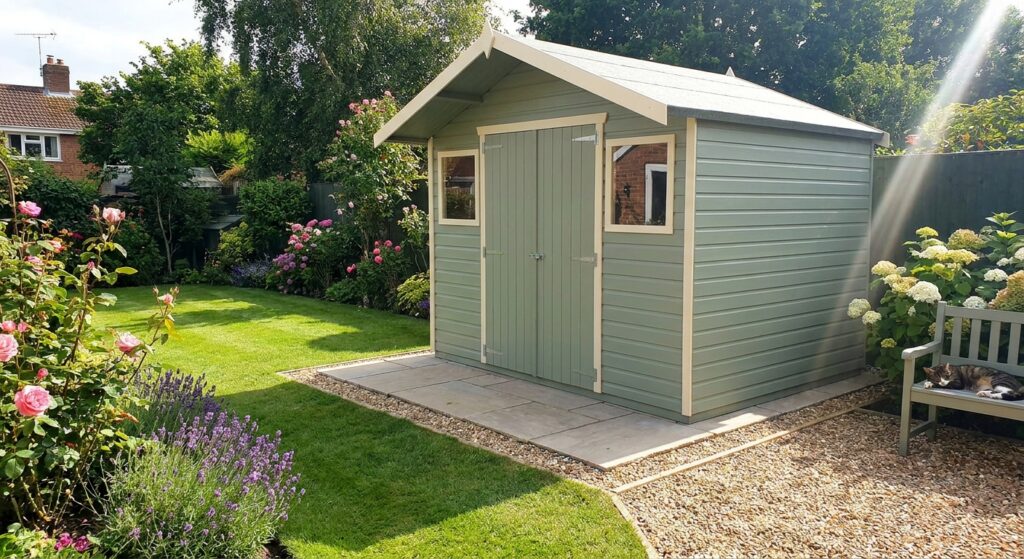
If you’re planning to add a shed to your garden or outdoor space, one of the first questions you’ll face is whether you need a base for your shed. It’s a common query among homeowners and DIY enthusiasts, and the answer can make a big difference in the longevity and stability of your new storage solution. Let’s explore why a proper shed base matters and how it can impact your shed’s performance for years to come.
What a Shed Base Is and Why It Matters
A shed base is a stable, level platform on which your garden shed sits. It can be constructed from concrete, paving slabs, timber frames, or specialised plastic grids. The main purpose of a shed base is to provide a flat, secure surface that supports the weight of the shed and its contents, keeping it off the bare ground. This is especially important in the UK, where damp weather and soft soil can quickly undermine a shed placed directly on grass or earth.
Choosing to install a proper base isn’t just about following the instructions—it’s about protecting your investment. Without a solid foundation, sheds are prone to shifting, warping, or even collapsing over time. Moisture from the ground can seep into the floor, causing rot, mould, and rust, particularly in wooden or metal sheds. For homeowners who want their shed to last, a base is not just recommended—it’s essential for long-term durability and peace of mind.
Key Benefits, Uses or Reasons People Choose a Shed Base
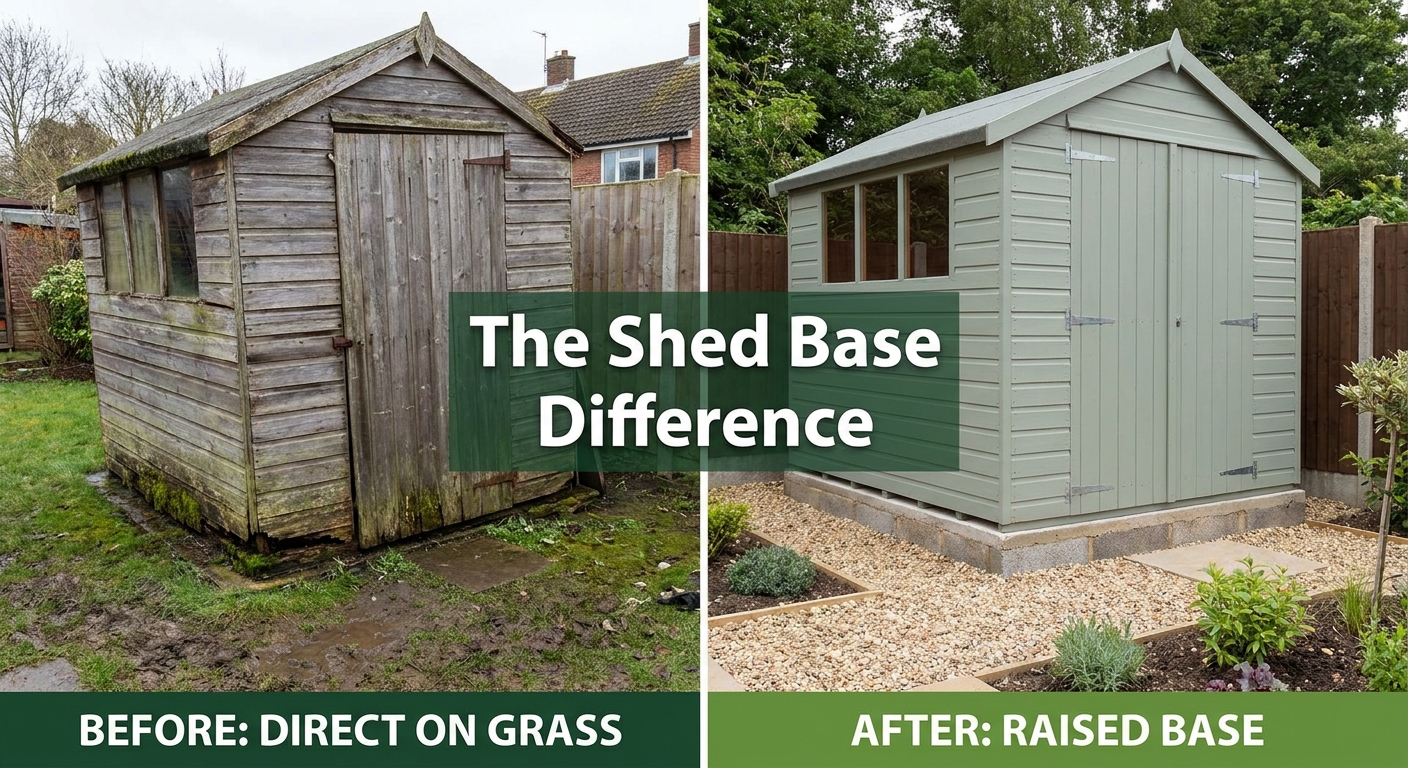
One of the primary benefits of installing a shed base is improved stability. A level base prevents your shed from leaning or shifting over time, which is especially important if you plan to store heavy items like lawnmowers, bikes, or gardening equipment. Imagine opening your shed door after a wet winter only to find it jammed because the structure has settled unevenly—this is a common problem when a base is skipped.
Another significant advantage is moisture protection. In the UK, where rainfall is frequent, sheds placed directly on soil or grass are at risk of water ingress. A raised base acts as a barrier, reducing the risk of damp rising into the shed floor and damaging stored items. This is particularly beneficial for wooden sheds, as it helps prevent rot and extends the lifespan of the structure.
Lastly, a proper base makes maintenance easier and enhances the overall appearance of your garden. It keeps the shed clean by reducing mud splashes and weed growth around the perimeter. Many homeowners find that a well-installed base adds a professional finish, making the shed look like a permanent, intentional part of the landscape rather than a temporary afterthought.
Important Things to Know Before You Start or Buy
Before you rush out to buy a shed or start building, it’s crucial to consider the type of base that best suits your needs and site conditions. Not every garden is the same—some have sloping ground, clay soil, or limited access, all of which can influence your choice of foundation. For example, a concrete base is ideal for heavy-duty sheds and uneven ground, while plastic grid systems are lightweight and easy to install for smaller sheds on level lawns.
One common mistake among beginners is underestimating the importance of site preparation. Simply clearing away grass or weeds isn’t enough; you’ll need to dig down, remove soft soil, and ensure the area is level before laying your chosen base. Skipping these steps can lead to problems like water pooling under the shed or the base sinking over time, which can cause structural issues and reduce the shed’s lifespan.
Another key consideration is local planning regulations and manufacturer warranties. Some shed suppliers require a specific type of base for their warranty to remain valid, and local councils may have rules about the placement or height of outbuildings. Taking the time to check these details before you start will save you hassle and potential costs down the line.
How to Choose the Right Shed Base
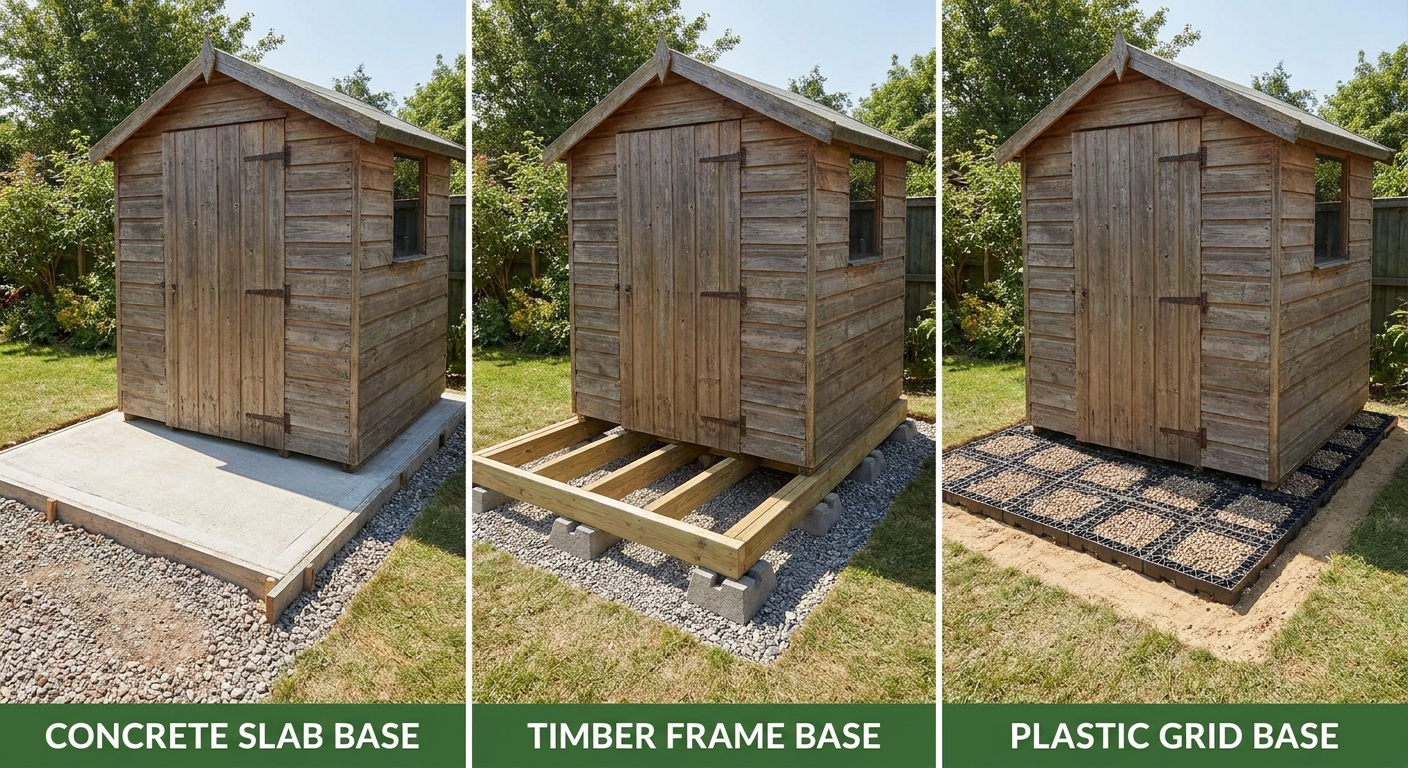
Selecting the right shed base comes down to a few key criteria: shed size, intended use, ground conditions, and your budget. For most standard garden sheds, there are three main options: concrete slabs, timber frames, and plastic grid systems. Concrete bases are the most durable and suitable for large or heavy sheds, but they require more groundwork and are best installed by those with some DIY experience or by professionals.
Timber frames, often called “bearers” or “timber bases,” are popular for wooden sheds and can be installed relatively quickly. They provide good airflow under the shed, reducing the risk of damp, but may need periodic treatment to prevent rot. Plastic grid systems are a modern alternative, offering easy installation and excellent drainage, making them ideal for lightweight sheds and eco-conscious homeowners.
When comparing options, consider factors like drainage, ease of installation, and long-term maintenance. For example, if your garden is prone to flooding, a raised plastic or timber base with gravel infill may be preferable to a solid concrete slab. If you’re unsure, many shed retailers offer base kits tailored to their products, which can simplify the decision and ensure compatibility. Investing in the right base now can save you time and money on repairs or replacements in the future.
Common Mistakes and How to Avoid Them
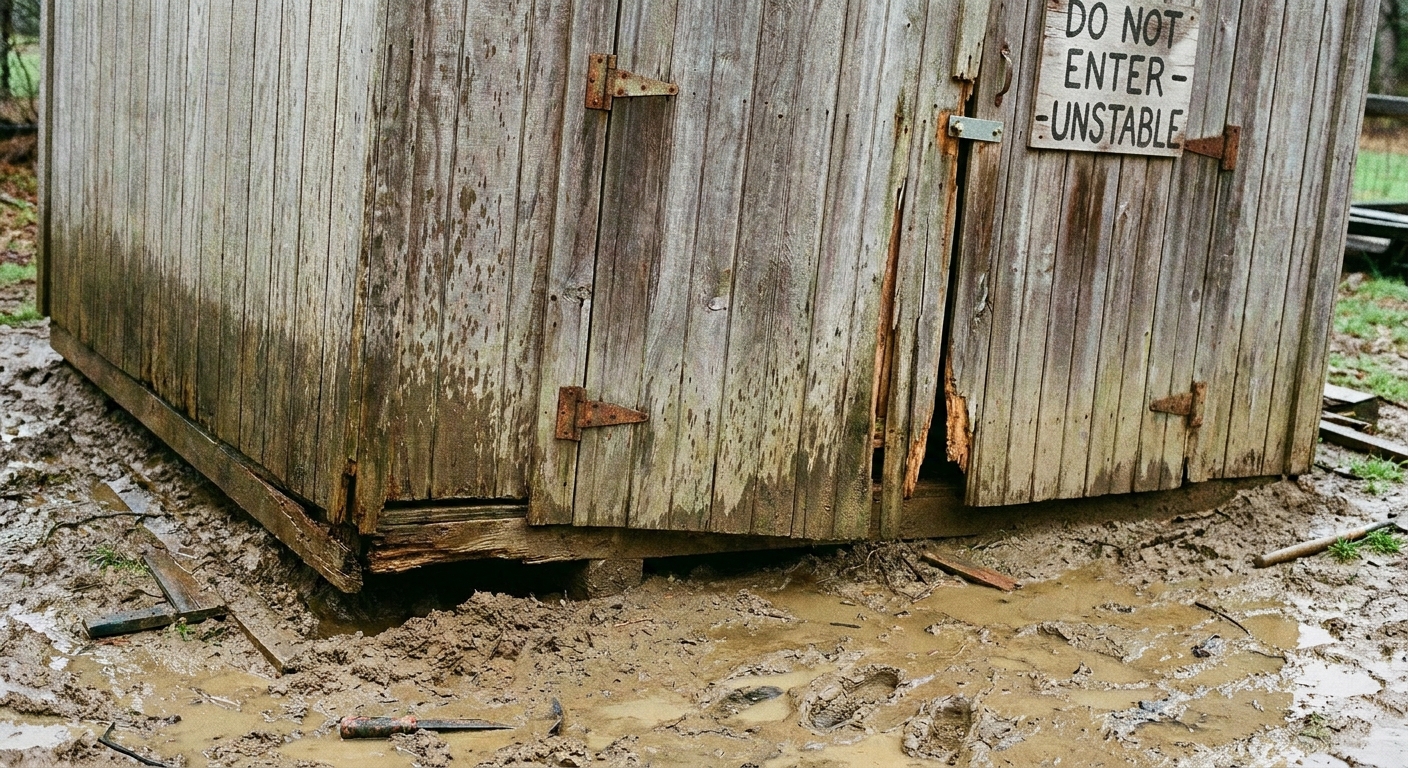
One of the most frequent mistakes is placing a shed directly on grass or bare soil, hoping it will be “good enough.” While this might seem like a quick fix, it almost always leads to problems such as uneven settling, water damage, and premature wear. The fix is straightforward: always use a suitable base, even for small or temporary sheds, to ensure stability and protection from the elements.
Another common pitfall is neglecting to check for levelness during installation. Even a slight slope can cause doors and windows to stick or not close properly, and over time, the shed may become structurally unsound. To avoid this, take the time to use a spirit level and make adjustments as needed before placing your shed. Investing a little extra effort at the start will pay off with a longer-lasting, trouble-free shed.
Frequently Asked Questions
Can you build a shed without a base?
While it is technically possible to build a shed without a base, it is not recommended. Without a proper foundation, your shed is more likely to suffer from moisture damage, instability, and reduced lifespan. A base provides essential support and protection, making it a wise investment for any garden shed.
Can you put a shed directly on the ground?
Placing a shed directly on the ground is not advisable, especially in the UK’s damp climate. The shed will be vulnerable to rot, rust, and shifting, which can lead to costly repairs or even replacement. A simple base, such as paving slabs or a plastic grid, can make a significant difference.
What does a shed need to sit on?
A shed should sit on a level, stable base made from materials like concrete, timber, or plastic grids. The right choice depends on your shed’s size, weight, and the ground conditions in your garden. A good base keeps the shed dry, level, and secure.
Do all types of sheds need a base?
Yes, all types of sheds benefit from a base, whether they are made from wood, metal, or plastic. The base type may vary, but the underlying principle—providing stability and moisture protection—remains the same.
A proper shed base is more than just a nice-to-have—it’s a crucial part of any successful shed installation. By taking the time to plan and install the right foundation, you’ll protect your investment, extend your shed’s lifespan, and enjoy a more attractive and functional garden space. Whether you’re a seasoned DIYer or a first-time shed owner, starting with a solid base is the best way to ensure your shed stands strong for years to come.