
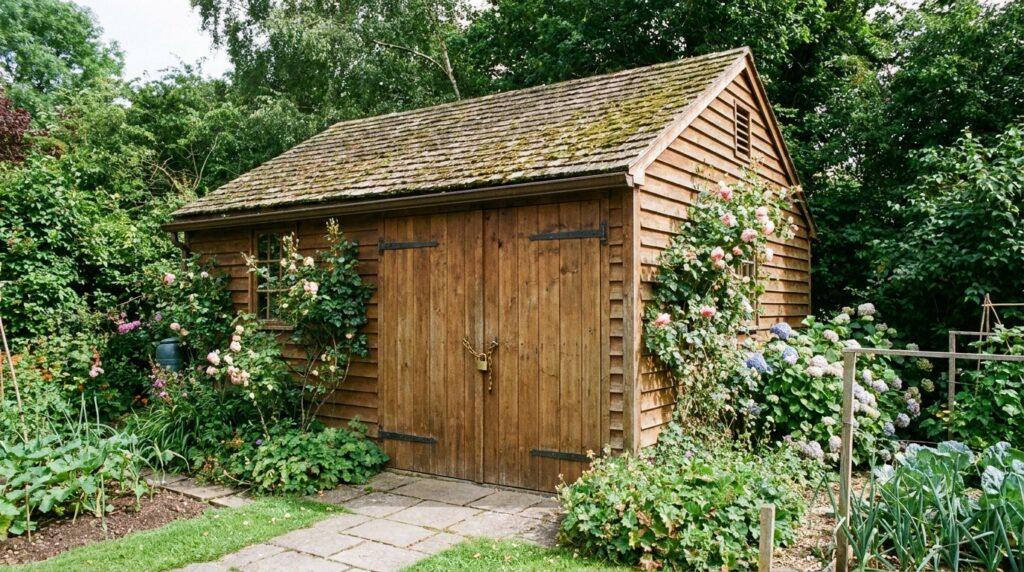
Your garden shed is often home to valuable tools, expensive lawn equipment, and even bicycles, making it a prime target for opportunistic thieves. Improving your shed security is a straightforward process that can provide immense peace of mind and protect your hard-earned investments from theft.
What Shed Security Is and Why It Matters
Shed security refers to the combination of physical barriers, deterrents, and surveillance measures designed to prevent unauthorised access to your garden storage building. It is not just about keeping a door locked; it is about creating a layered defence that makes your shed an unattractive target for potential intruders. In the modern garden, where equipment costs continue to rise, failing to secure your outbuildings can lead to significant financial loss and the inconvenience of replacing essential tools.
For many homeowners, the shed is an extension of the home, yet it is often left with the weakest security features. By understanding that most shed break-ins are opportunistic, you can take simple, effective steps to harden your defences. Whether you have a small potting shed or a large workshop, implementing robust security measures is a vital part of responsible home ownership that protects your property and maintains the integrity of your garden space.
Key Benefits and Reasons to Secure Your Shed
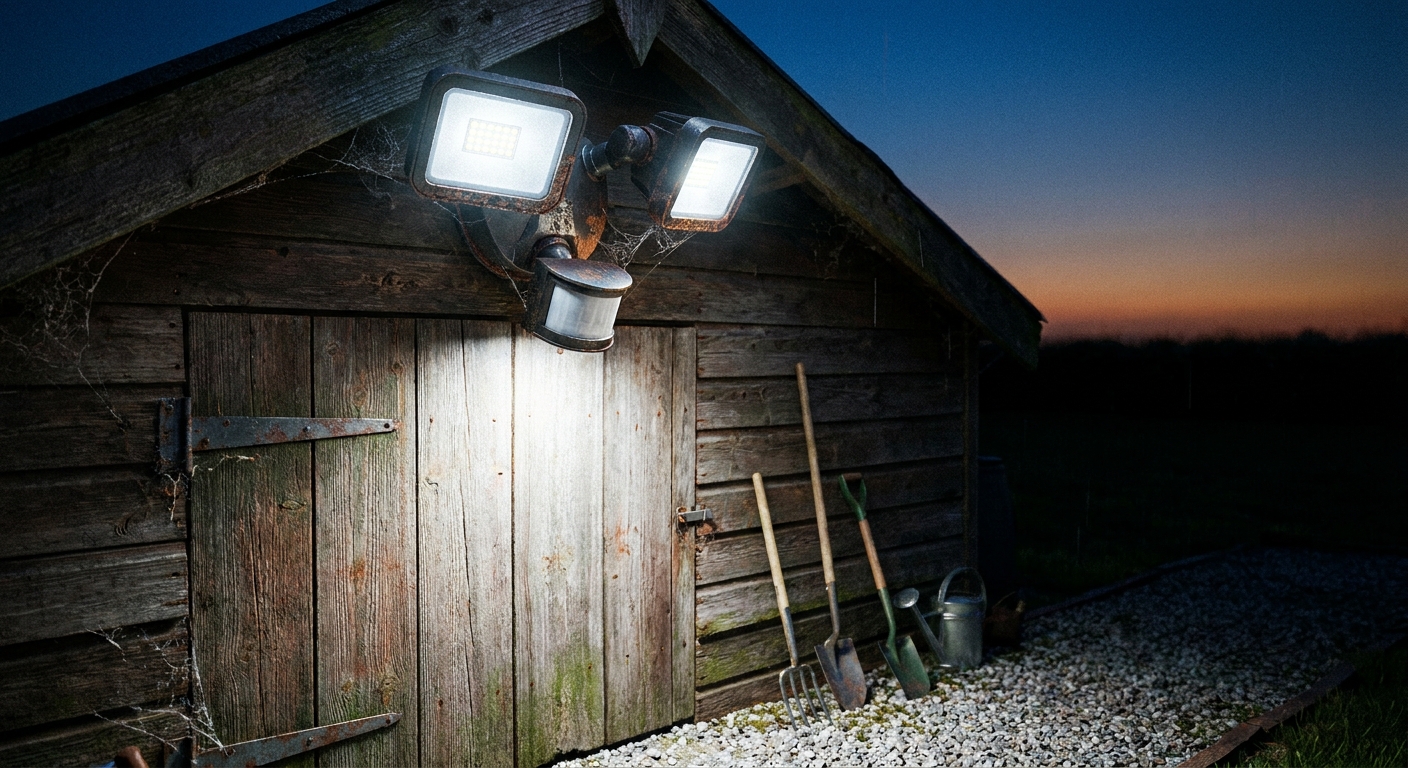
The primary benefit of improving your shed security is the significant reduction in the risk of theft. When you install high-quality locks, reinforced hinges, and security lighting, you signal to any potential intruder that your property is well-protected and not worth the effort. This proactive approach often discourages thieves before they even attempt to approach your garden, saving you from the stress and financial burden of a burglary.
Beyond theft prevention, enhanced security measures often lead to lower insurance premiums. Many home insurance providers offer discounts for properties that demonstrate a commitment to security, including the use of approved locks and alarm systems. By investing in your shed’s safety, you are essentially making a long-term financial decision that pays off in both reduced risk and potential savings on your annual insurance costs.
Finally, there is the undeniable benefit of peace of mind. Knowing that your expensive power tools, lawnmowers, and family bicycles are safely locked away allows you to enjoy your home without constant worry. Whether you are away on holiday or simply sleeping soundly at night, a secure shed ensures that your belongings remain exactly where you left them, allowing you to focus on your hobbies and garden maintenance with confidence.
Important Things to Know Before You Start
Before you rush out to buy the heaviest padlock you can find, it is important to assess the structural integrity of your shed. A high-security lock is useless if it is attached to a weak, rotting door frame that can be pried open with a simple screwdriver. Always start by inspecting the wood around your door and windows for signs of decay, as reinforcing a weak structure is the first step in any effective security plan.
Another critical consideration is the visibility of your shed from the street. While you want your garden to look beautiful, placing a shed in a highly secluded corner of the garden can provide thieves with the cover they need to work undisturbed. Try to position your shed in a location that is visible from your house windows, or consider installing motion-activated lighting to eliminate dark corners that might otherwise provide a hiding spot for intruders.
Beginners often make the mistake of focusing solely on the lock while ignoring the hinges. Standard shed hinges are often exposed on the outside, allowing a thief to simply unscrew them and remove the entire door. Always ensure your hinges are secured with coach bolts or non-removable screws that cannot be accessed from the exterior. By addressing these foundational elements first, you create a much stronger base for your secondary security measures like alarms and cameras.
How to Choose the Right Security Upgrades
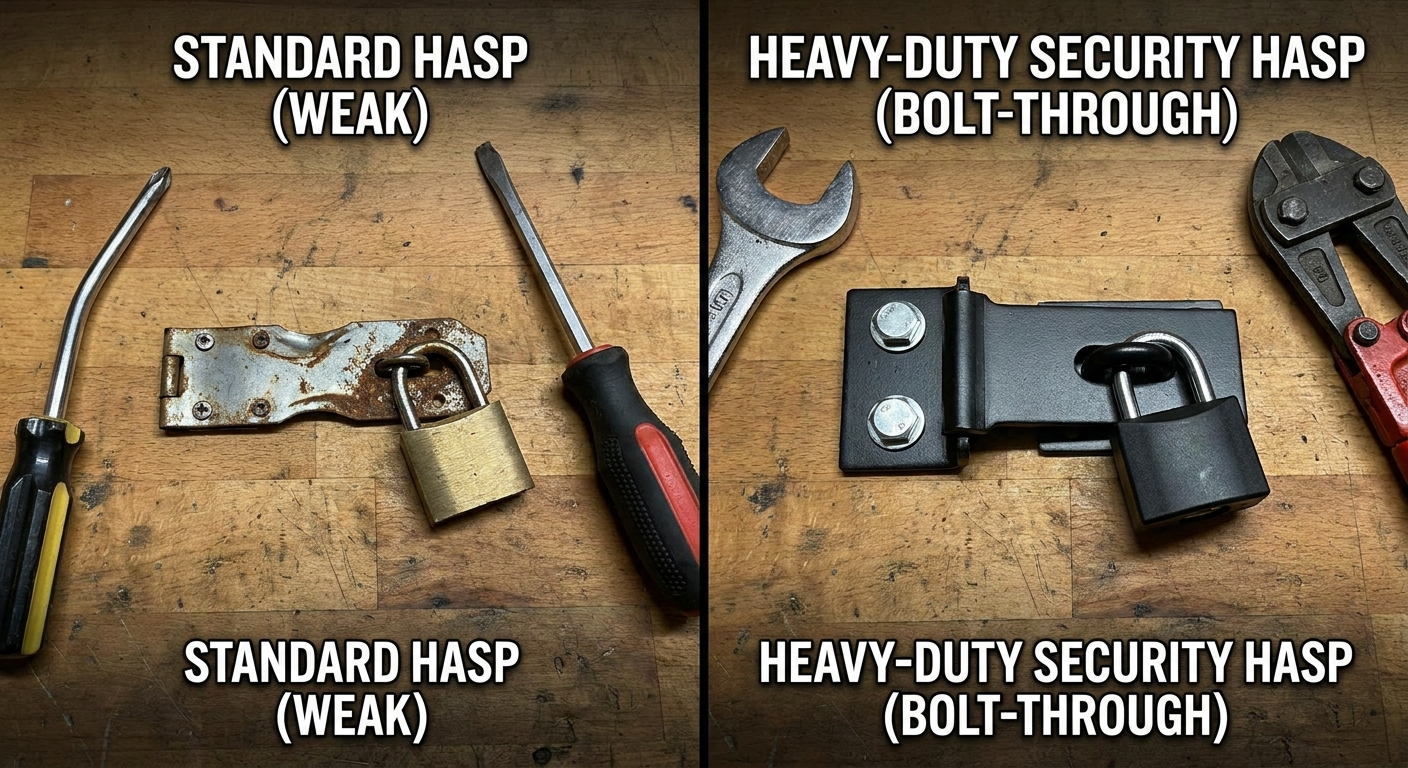
When selecting security hardware, look for products that are specifically designed for outdoor use and carry recognized security ratings. For locks, opt for closed-shackle padlocks, which leave very little of the shackle exposed, making it nearly impossible for bolt cutters to get a grip. Pair these with a heavy-duty hasp and staple that is bolted through the door rather than just screwed into the surface, ensuring that the entire assembly is resistant to forced entry.
For windows, the best approach is to either replace them with toughened safety glass or install internal security grills. If you prefer to keep your existing windows, consider applying a security film that makes the glass shatter-resistant, or simply cover the windows from the inside with opaque material to prevent people from seeing the valuable items stored within. This simple step of ‘hiding the goods’ is one of the most effective ways to deter casual thieves who are looking for an easy score.
Finally, consider the role of technology in your security setup. Modern battery-operated shed alarms are incredibly affordable and easy to install, providing an audible deterrent that can alert you and your neighbours to an intrusion. When choosing an alarm, look for models with a loud siren and a remote control feature, which makes daily use much more convenient. Combining these physical and technological upgrades creates a comprehensive security system that is tailored to your specific needs and budget.
Common Mistakes and How to Avoid Them
One of the most common mistakes is leaving the key to the shed in an obvious place, such as under a nearby plant pot or on a hook just inside the back door. Thieves are well aware of these hiding spots, and they are the first places they will look. Always keep your shed keys in a secure location inside your house, or use a combination lock if you find that you frequently lose your keys.
Another frequent error is failing to maintain the security hardware over time. Rust can weaken even the strongest locks, and loose screws can compromise the effectiveness of your hasp and staple. Make it a habit to check your shed security every few months, lubricating locks with a suitable spray and tightening any hardware that may have become loose due to the natural expansion and contraction of the wood. A well-maintained security system is far more reliable than one that is neglected.
Frequently Asked Questions
What is the best way to secure a shed door?
The best way is to use a heavy-duty hasp and staple secured with coach bolts, paired with a high-quality closed-shackle padlock. Ensure the hinges are also reinforced with non-removable screws.
Are shed alarms effective?
Yes, they are highly effective as a deterrent. The loud noise draws attention to the intruder, which is the last thing they want, often causing them to flee immediately.
Should I cover my shed windows?
Absolutely. Covering windows prevents thieves from ‘window shopping’ for expensive tools, which is a major factor in why specific sheds are targeted.
Improving your shed security is a manageable project that yields significant benefits for your peace of mind and the safety of your property. By reinforcing your doors, protecting your windows, and adding simple deterrents like lighting and alarms, you can effectively turn your shed into a fortress. Start with the basics today, and build your security layer by layer to ensure your garden equipment remains safe for years to come.