
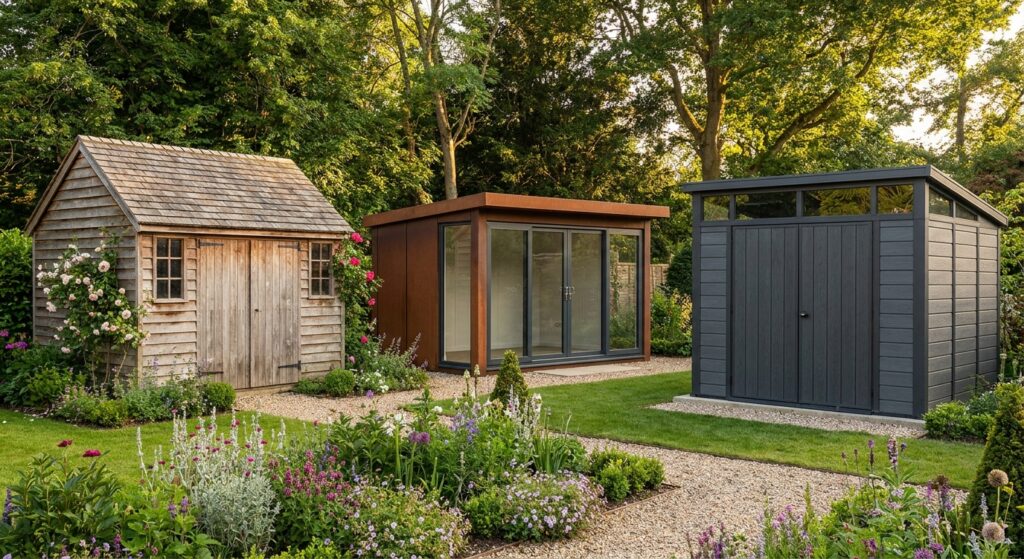
Selecting the best shed materials is the most important decision you will make when adding storage or a workspace to your garden. With various options available, understanding the unique characteristics of each material ensures your investment stands the test of time and weather.
What Shed Materials Are and Why It Matters
Shed materials refer to the primary substances used to construct the walls, roof, and frame of your garden building. In the UK climate, where moisture, wind, and temperature fluctuations are common, the material you choose dictates how much maintenance your shed will require and how long it will remain structurally sound. Whether you are looking for a traditional timber aesthetic or a low-maintenance plastic solution, the material defines the building’s lifespan and its ability to protect your belongings from the elements.
Understanding these materials is essential because a shed is a significant garden investment. Choosing the wrong material for your specific environment can lead to premature rot, rust, or structural failure, costing you more in the long run. By evaluating the pros and cons of timber, metal, and plastic, you can align your choice with your budget, your DIY skills, and the overall look of your outdoor space, ensuring that your new shed serves you well for many years to come.
Key Benefits, Uses or Reasons People Choose Shed Materials
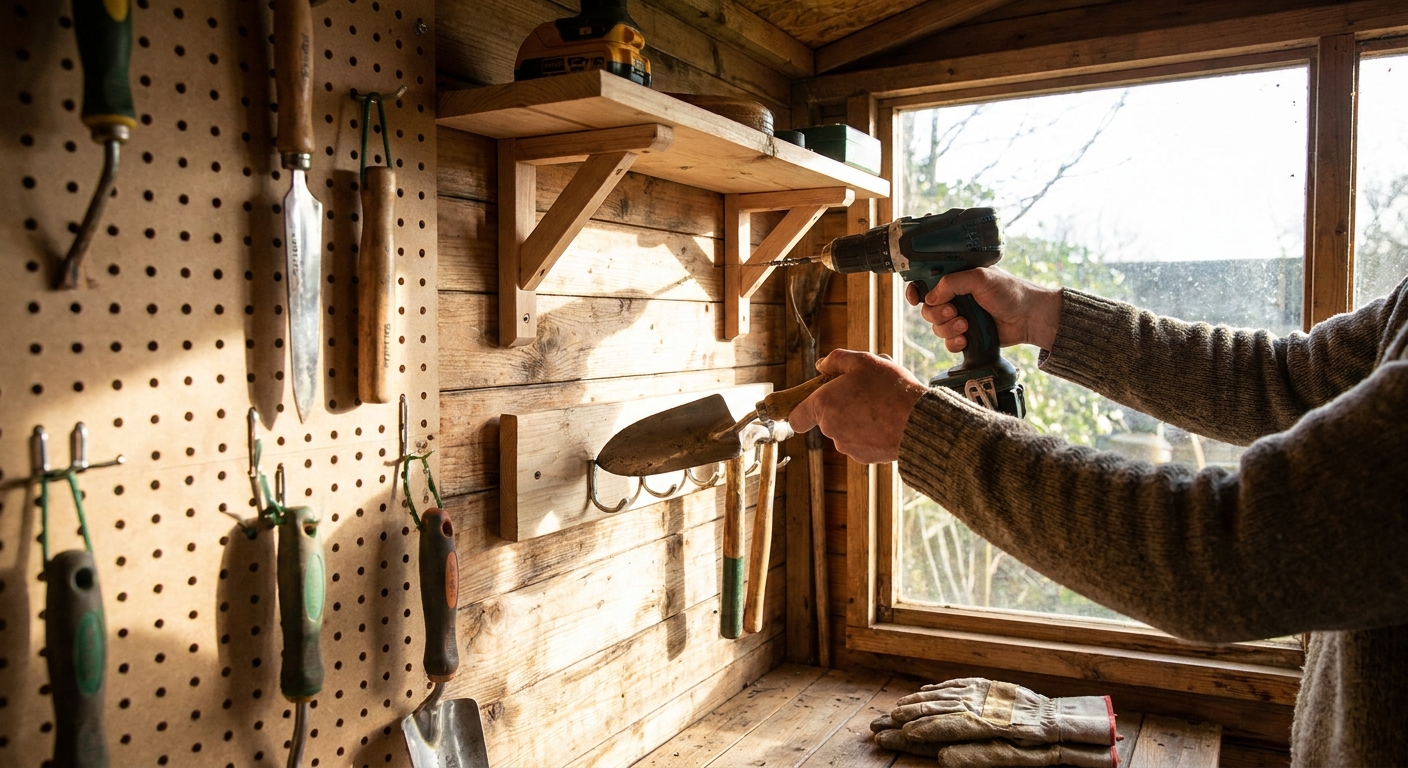
Timber sheds remain the most popular choice for many homeowners due to their natural beauty and versatility. They blend seamlessly into garden landscapes and are incredibly easy to customise with shelves, hooks, or even a fresh coat of paint. For those who enjoy DIY projects, timber provides a forgiving material that can be easily modified to suit specific storage needs or converted into a home office or workshop.
Metal sheds are frequently chosen for their exceptional security and durability. They are fire-resistant and immune to the common issues that plague wood, such as rot, insect infestation, or warping. Many people opt for metal when they need a robust, long-term storage solution for expensive equipment like lawnmowers, bicycles, or power tools, as they are notoriously difficult to break into compared to other materials.
Plastic or resin sheds have surged in popularity because they offer the ultimate low-maintenance experience. They do not require painting, staining, or regular treatment to remain waterproof, making them ideal for busy families or those who simply want a ‘fit and forget’ storage option. These sheds are lightweight, easy to assemble, and often feature clever modular designs that can be moved around the garden if your layout changes over time.
Important Things to Know Before You Start or Buy
Before you commit to a specific material, you must consider the base preparation required for your chosen shed maintenance tips. A timber shed requires a solid, level foundation to prevent the wood from sitting in damp soil, which is the fastest way to cause rot. Conversely, metal sheds are often lighter and require anchoring to a concrete slab or a heavy-duty frame to ensure they do not shift or blow over during high winds, which are increasingly common in the UK.
A common beginner mistake is underestimating the importance of ventilation. Regardless of the material, if your shed is airtight, condensation will build up inside, leading to mould on your stored items or rust on metal tools. Always ensure your chosen shed design includes adequate air vents or windows that can be opened to allow for airflow, especially if you plan to store damp garden furniture or wet sports equipment inside during the winter months.
Finally, consider the long-term maintenance commitment you are willing to make. Timber sheds need annual treatment with wood preservative to keep them weather-resistant, which is a task that many people find therapeutic but others find tedious. If you know you will not have the time or inclination to perform yearly maintenance, it is far better to invest in a high-quality plastic or metal shed from the outset, even if the initial purchase price is slightly higher than a basic wooden model.
How to Choose the Right Material
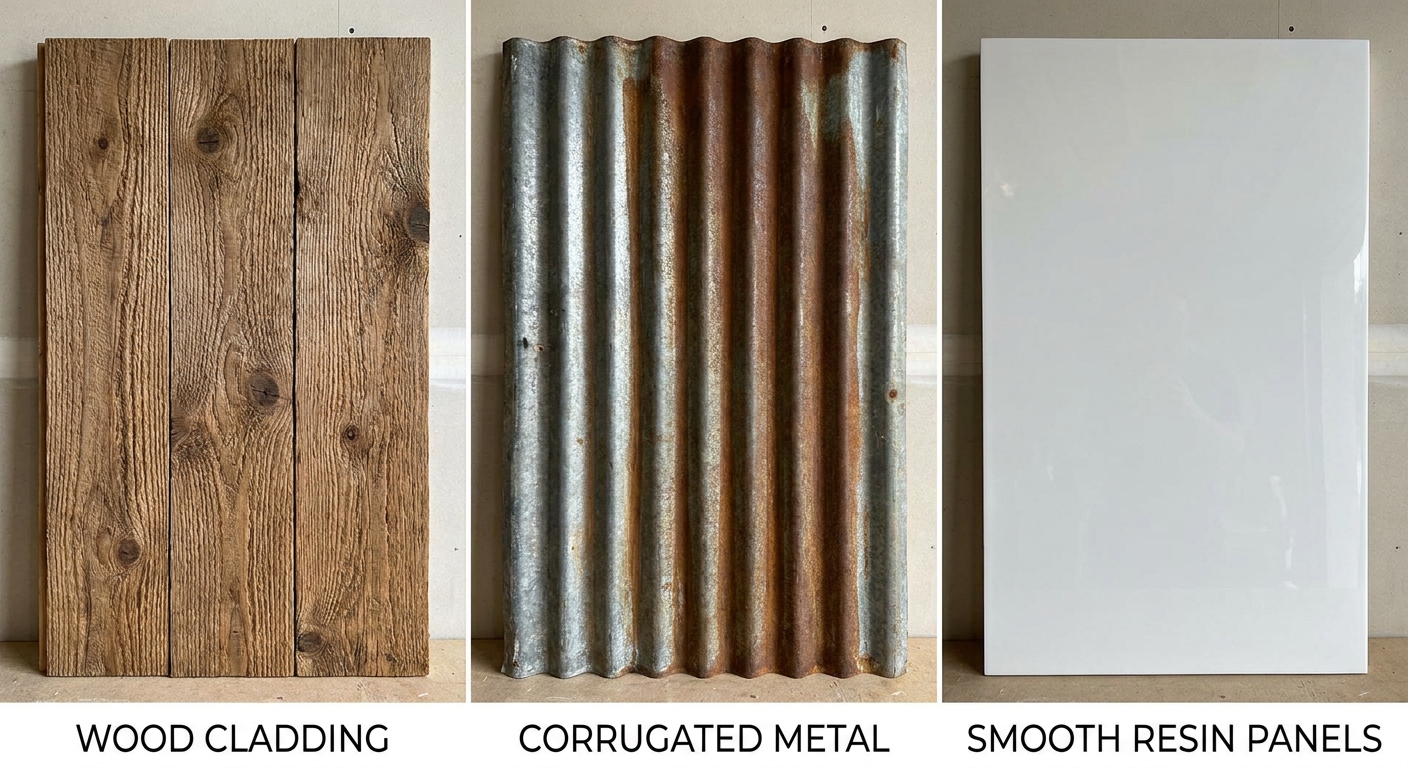
choosing the right size material starts with assessing your full range of sheds primary goal for the shed. If you want a garden feature that adds character, timber is the clear winner. If your priority is maximum security for high-value items, look towards heavy-gauge steel sheds. If you are looking for a quick, clean, and maintenance-free storage solution for garden cushions and tools, modern resin or plastic sheds are likely your best bet.
You should also compare the structural integrity of the materials. Timber thickness is measured in millimetres, and thicker cladding—such as tongue and groove—will always outperform overlap cladding in terms of strength and weatherproofing. When looking at metal, check the thickness of the steel and look for galvanised finishes, which prevent rust. For plastic, look for UV-stabilised materials that will not become brittle or discoloured after a few seasons of exposure to direct sunlight.
Budget is another critical factor, but try to look at the ‘cost over time’ rather than just the initial price tag. A cheap timber shed might seem like a bargain, but if it requires expensive repairs or replacement within five years, it is not cost-effective. Investing in a higher-quality material or a better-constructed version of your preferred material will almost always provide better value and peace of mind, ensuring your storage remains secure and dry regardless of the weather.
Common Mistakes and How to Avoid Them
One of the most frequent mistakes is ignoring the local planning regulations or site restrictions. Even if you choose the perfect material, placing a shed too close to a boundary or building one that exceeds height restrictions can lead to legal headaches. Always check your local council guidelines before you start, and ensure your chosen material complies with any fire safety distances required if the shed is placed near your home or a neighbour’s property.
Another pitfall is failing to account for the internal environment. Many people buy a shed based solely on the exterior material without considering the interior finish. For example, if you are storing delicate items, a metal shed can become extremely hot in the summer and very cold in the winter, leading to temperature-sensitive damage. Consider adding insulation or choosing a double-walled plastic shed if you need to regulate the internal temperature for your stored goods.
Frequently Asked Questions
Which shed material lasts the longest?
Generally, high-quality metal and heavy-duty plastic sheds offer the longest lifespan as they are resistant to rot and insect damage. However, a well-maintained timber shed can also last for decades.
Do I need to treat a plastic shed?
No, plastic sheds are virtually maintenance-free. You only need to wash them down occasionally with soapy water to keep them looking clean.
Are metal sheds prone to rust?
Modern metal sheds are usually galvanised or powder-coated to prevent rust. As long as the coating remains intact, they are highly resistant to corrosion.
Selecting the best shed material is about balancing your aesthetic preferences with your practical needs for maintenance and security. Whether you choose the warmth of timber, the strength of metal, or the convenience of plastic, a well-chosen shed will become a valuable asset to your garden.