
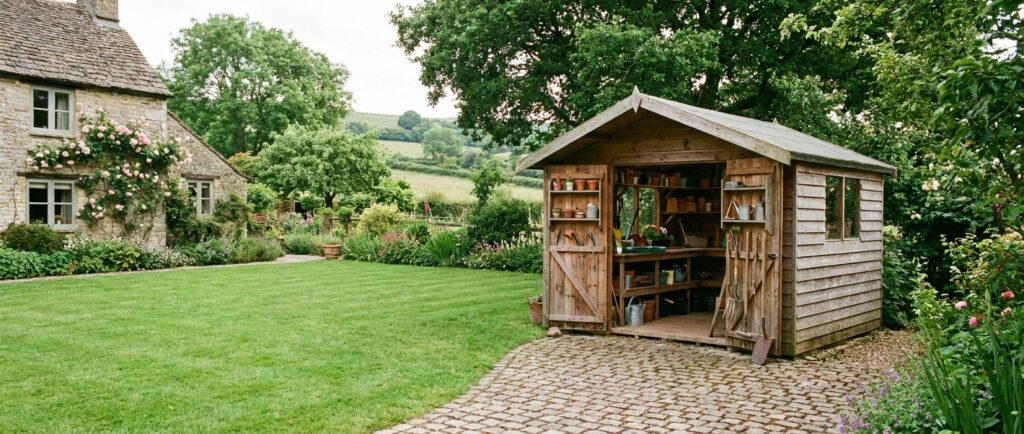
Choosing the right shed size is one of the most important decisions you will make when improving your outdoor space. A shed that is too small leaves you struggling to find space for your tools, while one that is too large can overwhelm your garden and waste valuable lawn area.
What Shed Sizing Is and Why It Matters
Understanding shed sizing is fundamentally about balancing your current storage requirements with the future needs of your household. It is not just about the footprint of the building; it is about the internal volume, door clearance, and the ease of movement when you are trying to retrieve a lawnmower or a bicycle. When you consider the investment involved in a quality structure, getting the dimensions right the first time prevents the common frustration of needing to upgrade or add a second building just a few years later.
In the United Kingdom, where garden space is often at a premium, every square metre counts. A well-sized shed acts as an extension of your home, keeping your garage clear for vehicles or your utility room free from bulky outdoor equipment. By assessing what you truly need to store today and what you might acquire in the future, you ensure that your investment provides long-term value rather than becoming a source of clutter.
Key Benefits and Reasons People Choose Specific Shed Sizes
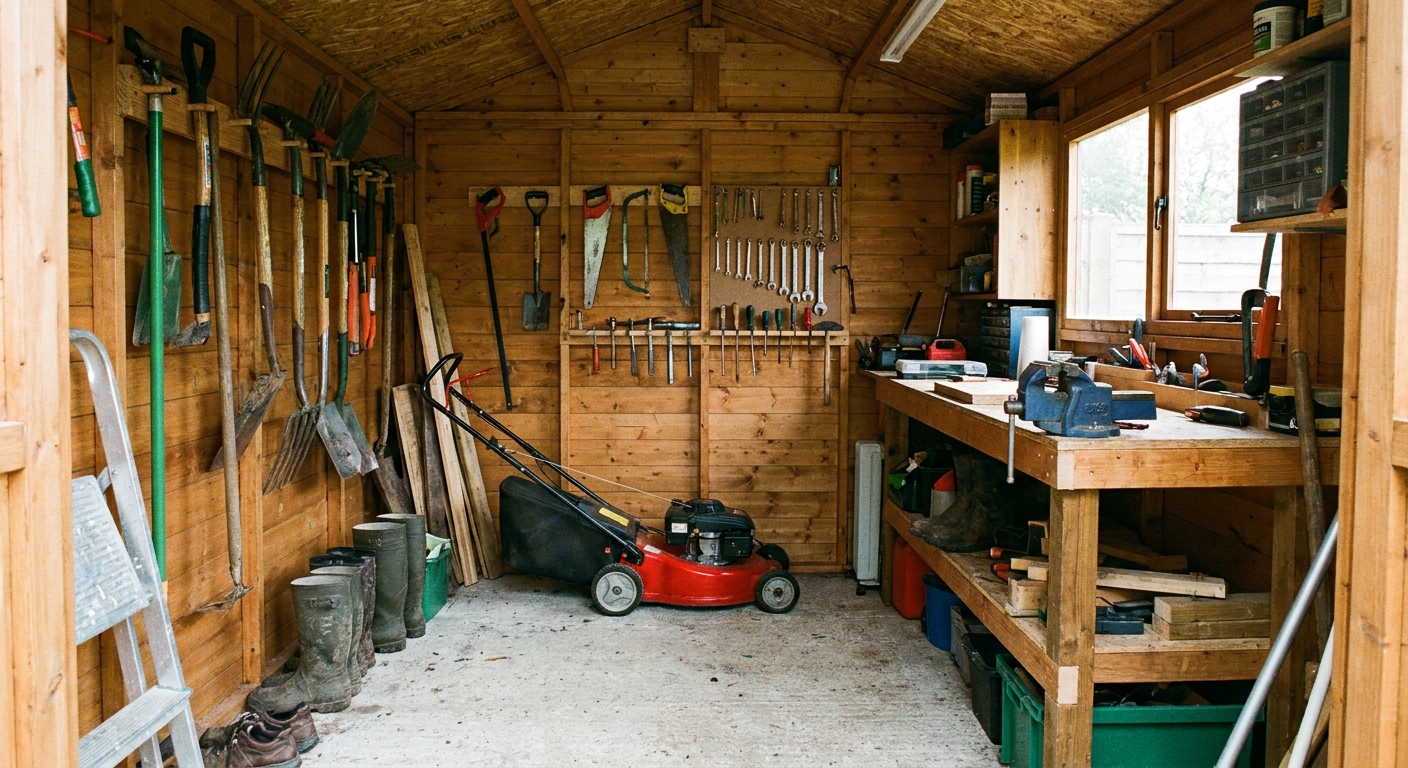
The primary benefit of choosing the correct shed size is the immediate improvement in your garden’s organisation. A properly sized shed allows you to store items vertically, using shelving and wall hooks, which keeps the floor clear for larger equipment like push mowers or wheelbarrows. When everything has a designated place, you spend less time searching for tools and more time enjoying your garden, which is the ultimate goal for any homeowner.
Beyond simple storage, many people choose larger shed sizes to create dedicated hobby spaces or workshops. A 10×12 foot shed, for instance, offers enough floor space to set up a workbench, store seasonal furniture, and still have room to manoeuvre comfortably. This versatility allows you to transition the shed from a basic storage unit to a functional workspace, potting area, or even a small home gym, significantly increasing the utility of your property.
Finally, selecting the right size helps with long-term maintenance and durability. A shed that is not overcrowded allows for better airflow, which is critical for preventing dampness and mould in the British climate. When you have enough room to walk around your stored items, you can easily inspect the interior walls for signs of wear, ensuring that your shed remains a sturdy, dry sanctuary for your belongings for many years to come.
Important Things to Know Before You Start or Buy
Before you commit to a specific size, you must measure your available garden space and account for the necessary clearance around the perimeter. It is a common mistake to measure only the footprint of the shed without considering the roof overhang, which can add several inches to the total width and depth. You should also ensure that the shed is positioned on a level, solid base, such as concrete or pressure-treated timber, which adds to the overall height and footprint requirements.
Another critical consideration is local planning regulations and boundary restrictions. In many areas, there are specific rules regarding how close a structure can be to a fence or a neighbour’s property line. Always check your local council guidelines to see if your chosen size requires planning permission, as larger sheds often have stricter requirements than smaller, standard-sized units. Ignoring these rules can lead to costly relocation or even the forced removal of your new shed.
Finally, think about accessibility and how you will move items in and out of the shed. A wide door is essential if you plan to store ride-on mowers or large garden furniture, but it requires a larger front wall section. Consider the path leading to the shed as well; if the entrance is narrow or obstructed by trees and shrubs, a massive shed might be difficult to access even if it fits perfectly in your garden. Always plan for the ‘swing’ of the doors to ensure they do not hit obstacles when opened fully.
How to Choose the Right Shed Size
To choose the right size, start by creating a comprehensive inventory of everything you intend to store. Group items by size and frequency of use; for example, lawnmowers and seasonal tools should be easily accessible, while holiday decorations or rarely used camping gear can be tucked away on high shelves. A good rule of thumb is to calculate the total square footage of your items and then add at least 25% to 30% for walking space and future acquisitions.
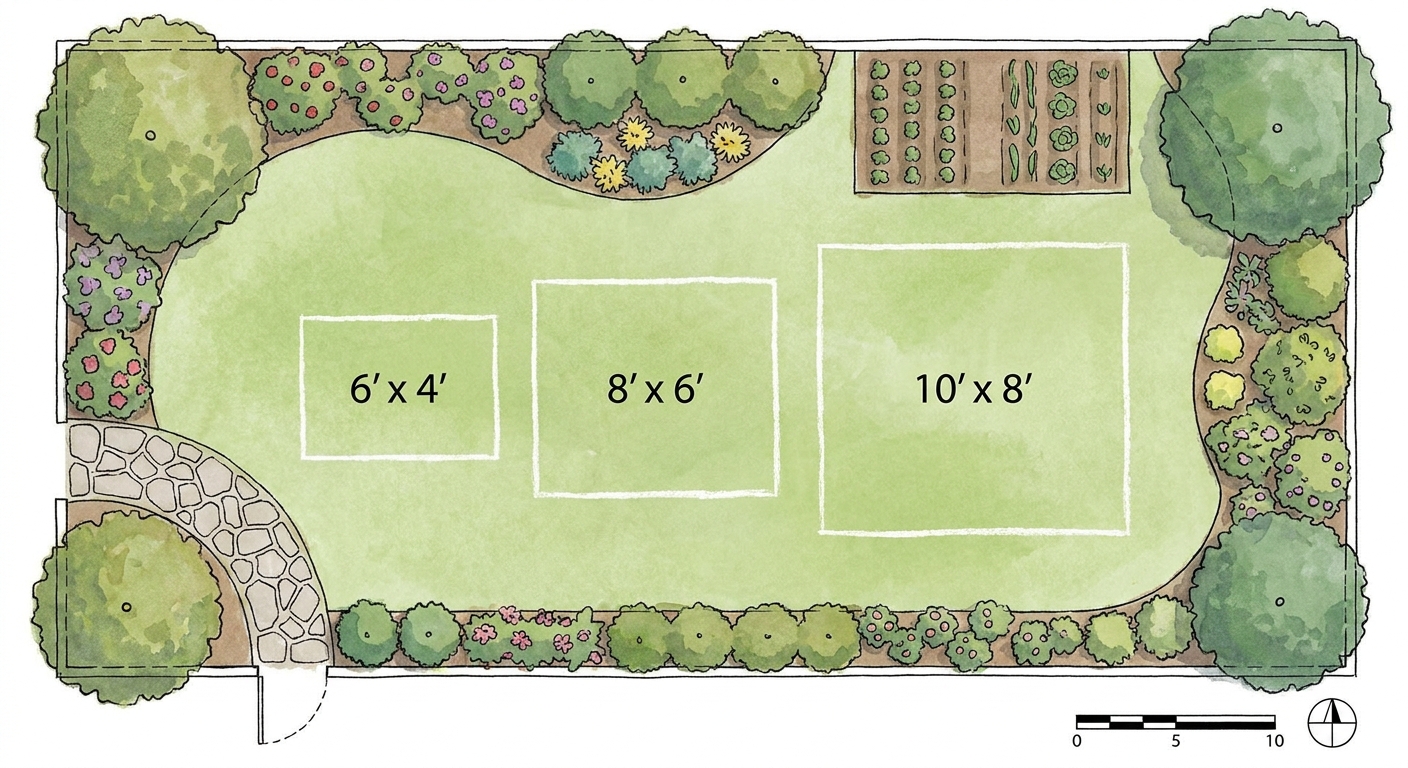
Next, consider the shape of your garden and how the shed will integrate into the landscape. A long, narrow shed might be perfect for a side alley, while a square or rectangular shed works better in a corner or as a centrepiece. If you are struggling to visualise the space, use garden stakes and string to mark out the dimensions on your lawn. This simple technique provides a realistic sense of how much room the shed will occupy and whether it will leave enough space for your patio, flower beds, or children’s play areas.
Finally, compare different shed styles, such as apex, pent, or lean-to designs, as these impact the usable internal height. An apex roof provides more headroom in the centre, which is ideal for tall storage or a workbench, whereas a pent roof is often better for fitting under low-hanging branches or against a house wall. By evaluating your specific storage needs against these structural differences, you can narrow down your options to the perfect size and style for your unique outdoor environment.
Common Mistakes and How to Avoid Them
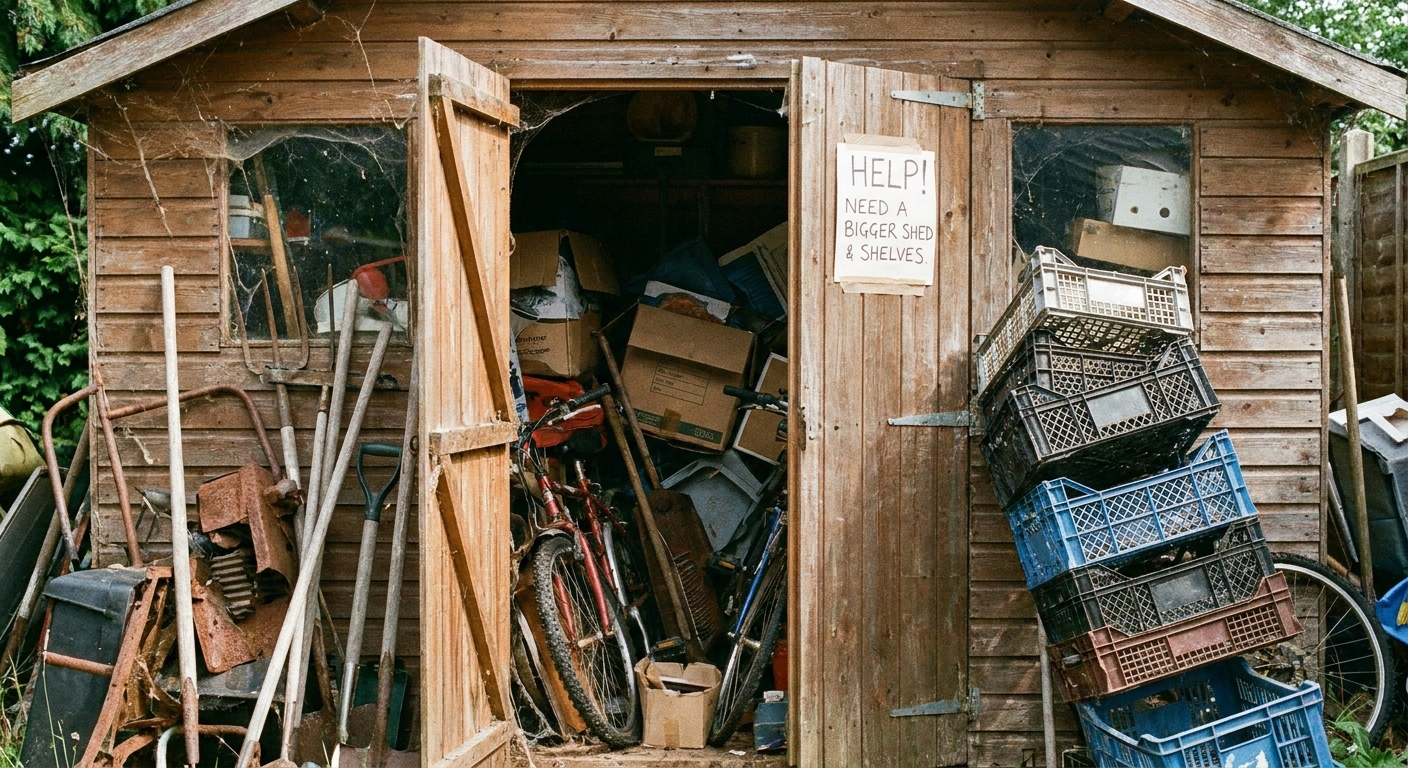
One of the most frequent mistakes homeowners make is underestimating the volume of their future storage needs. It is incredibly easy to fill a shed within the first year, leaving no room for new purchases like a larger lawnmower or a collection of garden pots. To avoid this, always opt for the largest size that your budget and garden space allow; it is far cheaper to buy a slightly larger shed now than to replace it or build an extension later.
Another common pitfall is ignoring the importance of natural light and ventilation. People often choose a large shed but fail to include enough windows or vents, resulting in a dark, damp interior that can damage your tools. Ensure your chosen size allows for at least one window and proper roof or wall vents to maintain a healthy environment. If you are buying a pre-fabricated model, check if you can add extra windows or skylights to improve the functionality of the space.
Frequently Asked Questions
Is there a standard shed size for a small garden?
A 6×4 foot shed is generally considered the standard for small gardens, offering enough space for basic tools and a push mower without taking up too much room.
Do I need planning permission for a large shed?
In many cases, sheds are considered permitted development, but this depends on the size, height, and proximity to your property boundaries. Always check with your local council.
Should I choose a larger shed than I think I need?
Yes, it is highly recommended to go one size larger than your current inventory requires to account for future storage needs and ease of access.
Selecting the right shed size is a balance of planning, measurement, and foresight. By carefully assessing your storage needs and considering the layout of your garden, you can choose a structure that serves you well for years to come. Don’t rush the process—take the time to mark out the space and think about how you will use the shed daily.