
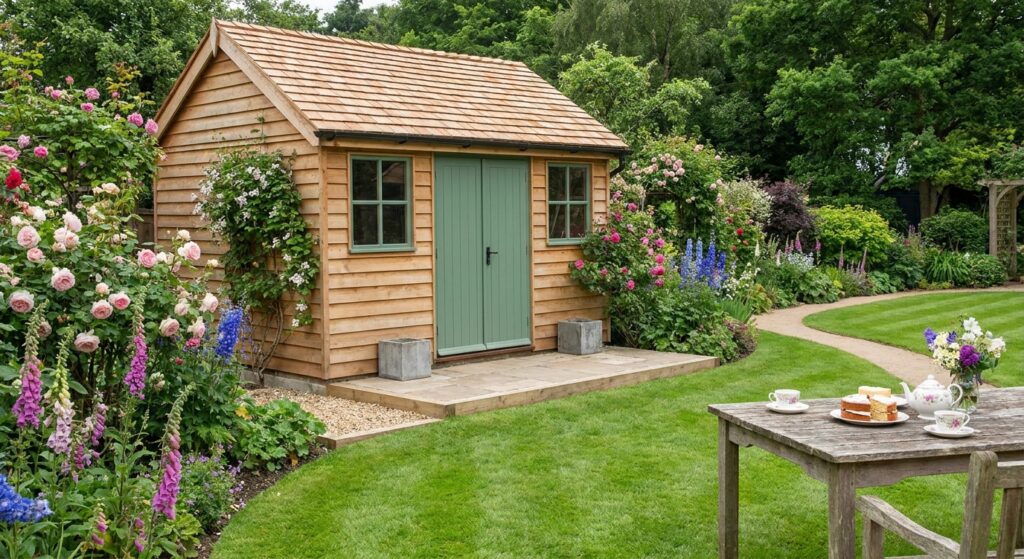
Building a shed is an exciting project, but the real secret to a long-lasting garden building starts with the right base. Choosing between concrete, paving slabs, or a timber frame can feel overwhelming, especially if you’re new to DIY. In this guide, we’ll walk you through each option so you can confidently create a stable, weatherproof foundation for your shed.
What a Shed Base Is and Why It Matters
A shed base is the essential foundation that supports your garden shed, ensuring it remains level, dry, and secure for years to come. In the UK, where weather can be unpredictable and gardens often face damp or uneven ground, a proper shed base is not just a recommendation—it’s a necessity. Without a solid foundation, even the sturdiest shed can suffer from rot, warping, or shifting, leading to costly repairs or replacements.
For homeowners, DIY enthusiasts, and garden lovers, investing time in the right shed base pays off in the long run. It prevents water from pooling under your shed, keeps pests at bay, and provides a stable platform for storing tools, bikes, or garden furniture. Whether you’re building a compact storage shed or a spacious workshop, understanding the importance of a solid base is the first step towards a successful project.
Key Benefits, Uses or Reasons People Choose a DIY Shed Base
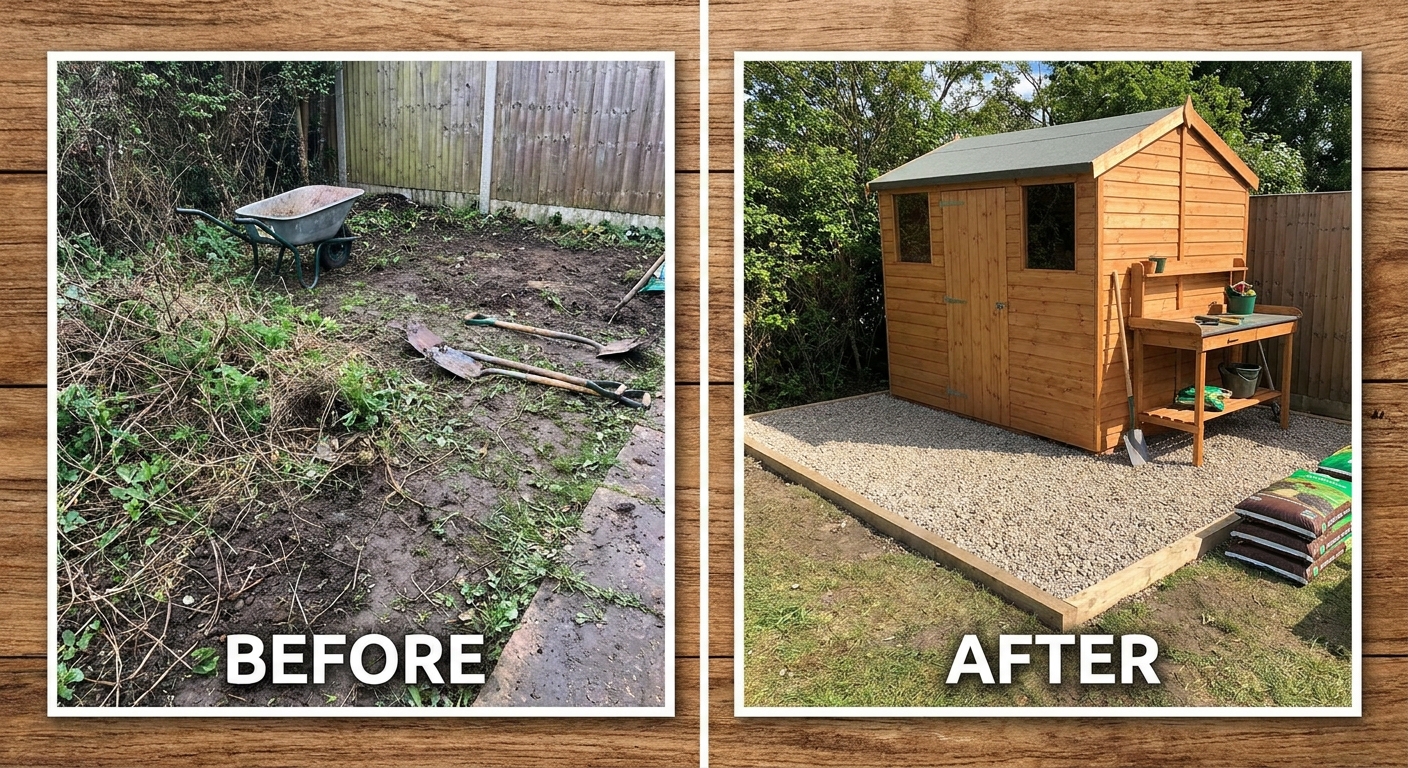
One of the main reasons people opt for a DIY shed base is the control it gives over the quality and longevity of their shed. By building your own base, you can tailor the foundation to suit your garden’s unique conditions, whether that means accommodating a sloping lawn or ensuring extra drainage in a damp spot. This hands-on approach often results in a sturdier, more reliable base than pre-fabricated alternatives.
Cost savings are another significant benefit. Hiring professionals to lay a shed base can be expensive, especially for larger structures or challenging ground. DIY methods—using concrete, paving slabs, or timber frames—allow you to save on labour costs while learning valuable skills along the way. Many homeowners find the process rewarding, especially when they see their shed standing strong through all seasons.
Finally, a well-built DIY shed base adds versatility to your outdoor space. It can support everything from compact tool sheds to larger workshops or hobby rooms. For families, a secure base means peace of mind when storing bikes or children’s toys. For small business owners, it ensures equipment and stock remain safe and dry. Real-world examples abound: from gardeners who’ve transformed muddy corners into productive potting sheds, to hobbyists who’ve created dedicated spaces for crafts or repairs—all thanks to a reliable DIY base.
Important Things to Know Before You Start or Buy
Before you pick up a shovel or order materials, it’s crucial to assess your garden’s ground conditions. Is the area prone to flooding or waterlogging? Does the ground slope, or is it already fairly level? These factors will influence which shed base method suits your needs best. For example, a concrete base is ideal for soft or uneven ground, while a timber frame can be perfect for well-drained, flat lawns.
Another key consideration is the size and weight of your shed. Heavier sheds, such as those used for workshops or storing large equipment, require a more robust foundation—typically concrete or thick paving slabs. Lighter, smaller sheds may be well-served by a timber frame, which is quicker to install and less invasive to your garden. Always check the manufacturer’s recommendations for your specific shed model before deciding.
Common beginner mistakes include underestimating the importance of drainage and failing to allow for adequate airflow beneath the shed. Both can lead to moisture problems, rot, and even structural failure over time. Take the time to plan your base carefully, ensuring it’s slightly larger than your shed’s footprint and raised above ground level to prevent water ingress. Investing in a weed membrane beneath your base can also save headaches down the line by keeping unwanted growth at bay.
How to Choose the Right Shed Base
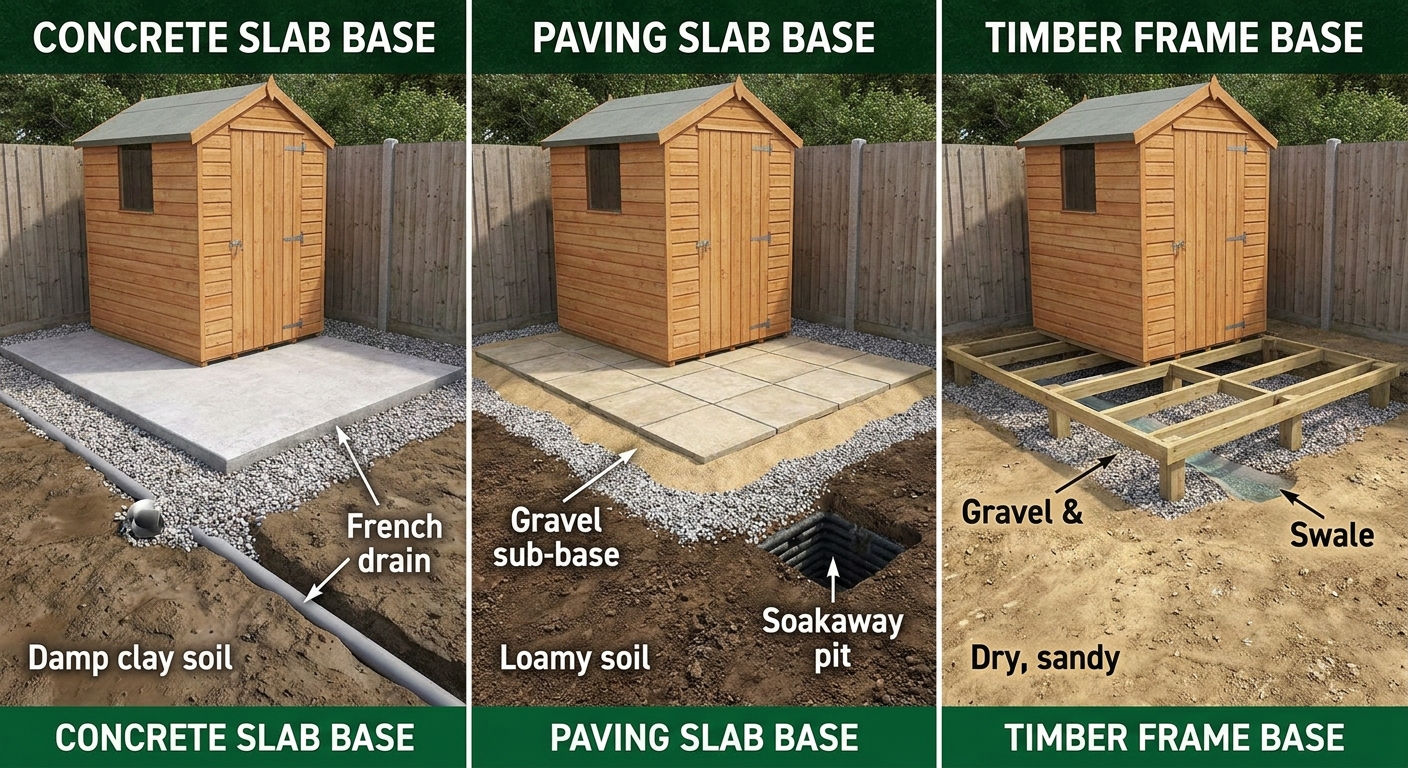
Choosing the right shed base starts with understanding your garden’s unique needs and your own DIY experience. Concrete bases are the gold standard for durability and strength, making them ideal for heavy-duty sheds or areas with soft, unstable ground. However, they require more preparation, mixing, and setting time, which may not suit everyone’s schedule or skill level. If you’re looking for a long-term, low-maintenance solution, concrete is often the best choice.
Paving slab bases offer a practical middle ground. They’re easier to lay than concrete, require less drying time, and can be adjusted to fit uneven ground with a bit of sand or gravel. Paving slabs are perfect for medium-sized sheds and provide excellent drainage if installed with small gaps between the slabs. They also allow for future adjustments or removal if you decide to move your shed or change your garden layout.
Timber frame bases are the quickest and most flexible option, especially for smaller sheds or temporary structures. They’re lightweight, easy to assemble, and can be placed directly onto grass or gravel with minimal groundwork. However, timber frames need to be treated to resist rot and may not last as long as concrete or paving slabs in damp conditions. When comparing options, consider factors like ground conditions, shed size, your budget, and how permanent you want your shed to be. Many DIYers find that a combination of materials—such as a timber frame on paving slabs—offers the best of both worlds.
Common Mistakes and How to Avoid Them
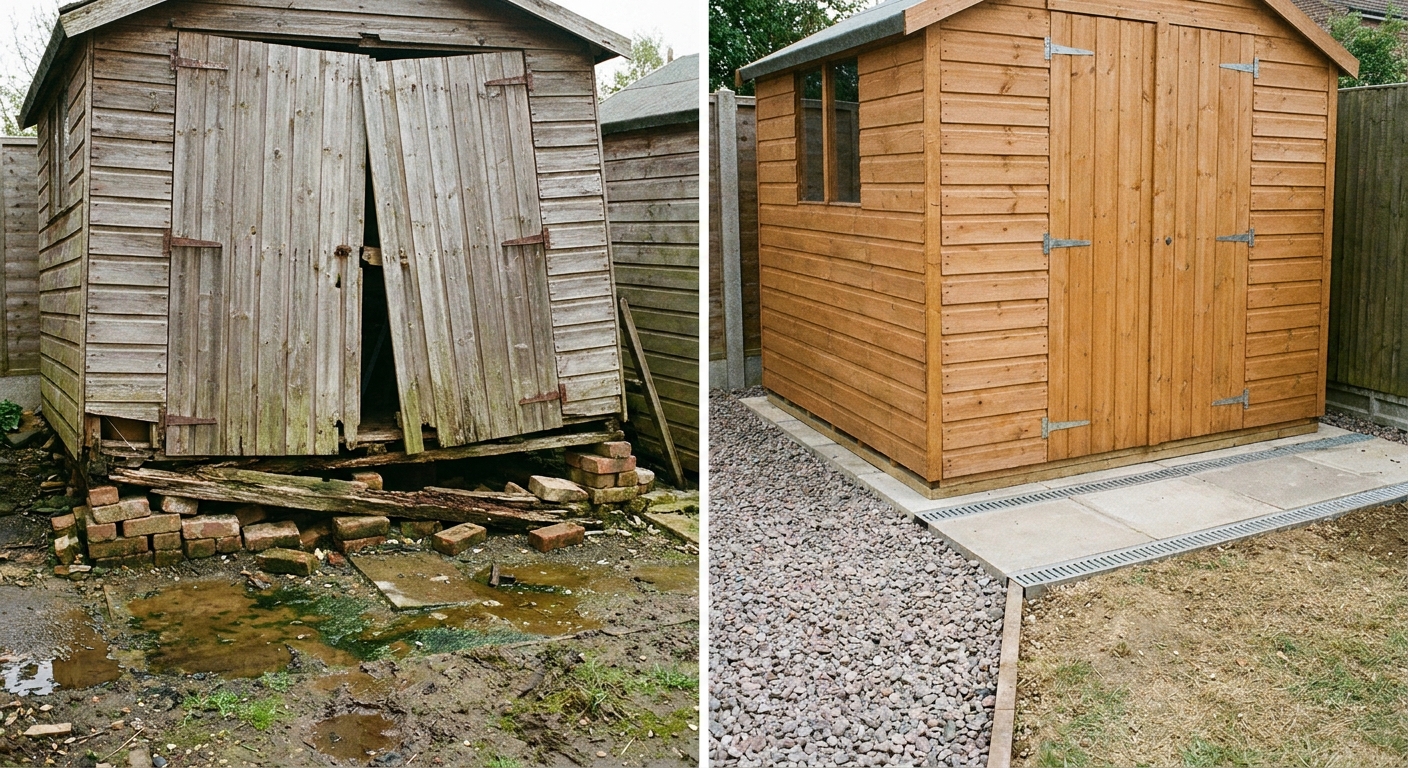
One of the most frequent mistakes is failing to level the ground properly before laying your shed base. An uneven foundation can cause your shed to lean, doors to stick, and even structural damage over time. To avoid this, take the time to measure and level your site meticulously, using a spirit level and string lines to check your work at every stage. Don’t rush this step—getting it right now saves a world of trouble later.
Another common pitfall is neglecting drainage and ventilation. Without proper airflow beneath your shed, moisture can build up, leading to rot, mould, and rust. Always raise your base slightly above ground level and, if using paving slabs or a timber frame, leave small gaps to encourage air circulation. Installing a weed membrane and a layer of gravel beneath your base can further improve drainage and prevent unwanted plant growth. By addressing these issues from the outset, you’ll ensure your shed remains dry, stable, and usable for years to come.
Frequently Asked Questions
Which shed base lasts the longest?
A concrete shed base typically offers the longest lifespan, often lasting several decades with minimal maintenance. It’s highly resistant to rot, pests, and weather, making it ideal for permanent garden buildings. Paving slabs and timber frames can also last many years if installed correctly and maintained, but concrete remains the most durable option.
Can I put a shed directly on grass or soil?
It’s not recommended to place a shed directly on grass or bare soil. Doing so increases the risk of moisture damage, rot, and instability. Always use a proper base—such as concrete, paving slabs, or a timber frame—to ensure your shed stays dry, level, and secure.
How thick should a concrete shed base be?
A concrete shed base should generally be at least 75-100mm thick for standard garden sheds. For larger or heavier structures, increasing the thickness to 150mm provides extra strength and stability. Always check your shed manufacturer’s guidelines for specific recommendations.
Do I need planning permission for a shed base?
In most UK gardens, you won’t need planning permission for a shed base, provided the shed itself meets local regulations regarding size, height, and placement. However, it’s wise to check with your local council if you’re unsure, especially for larger or permanent structures.
What’s the easiest shed base for beginners?
A timber frame base is often the easiest for beginners, as it requires minimal groundwork and can be assembled with basic tools. It’s lightweight, quick to install, and suitable for smaller sheds on well-drained, level ground.
Choosing the right DIY shed base is the foundation of a successful garden project. By weighing up the pros and cons of concrete, paving slabs, and timber frames, you can create a stable, weatherproof platform that protects your shed and everything inside it. Take your time to plan, prepare the ground, and select the method that best suits your needs—your shed will thank you for years to come.